
2014 Ballymaloe Literary Festival. Recap.

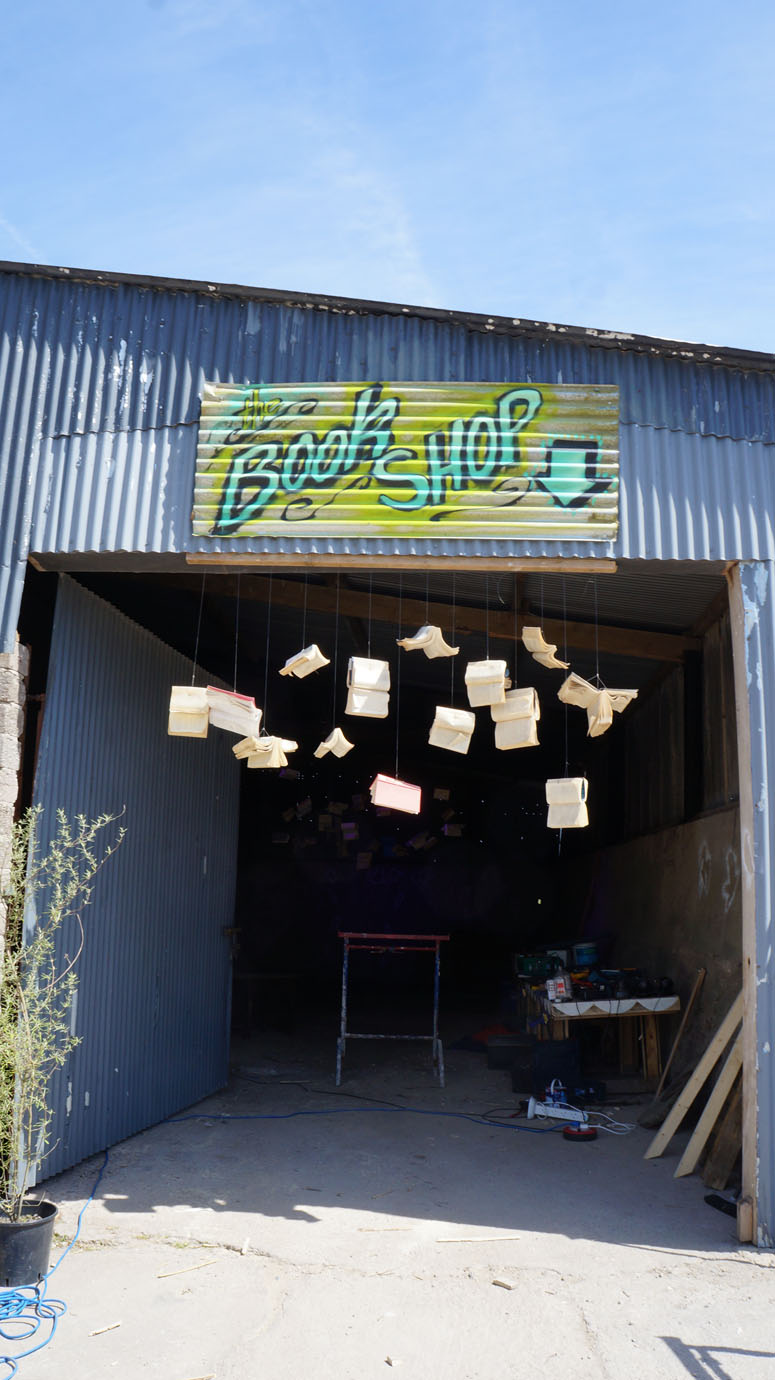
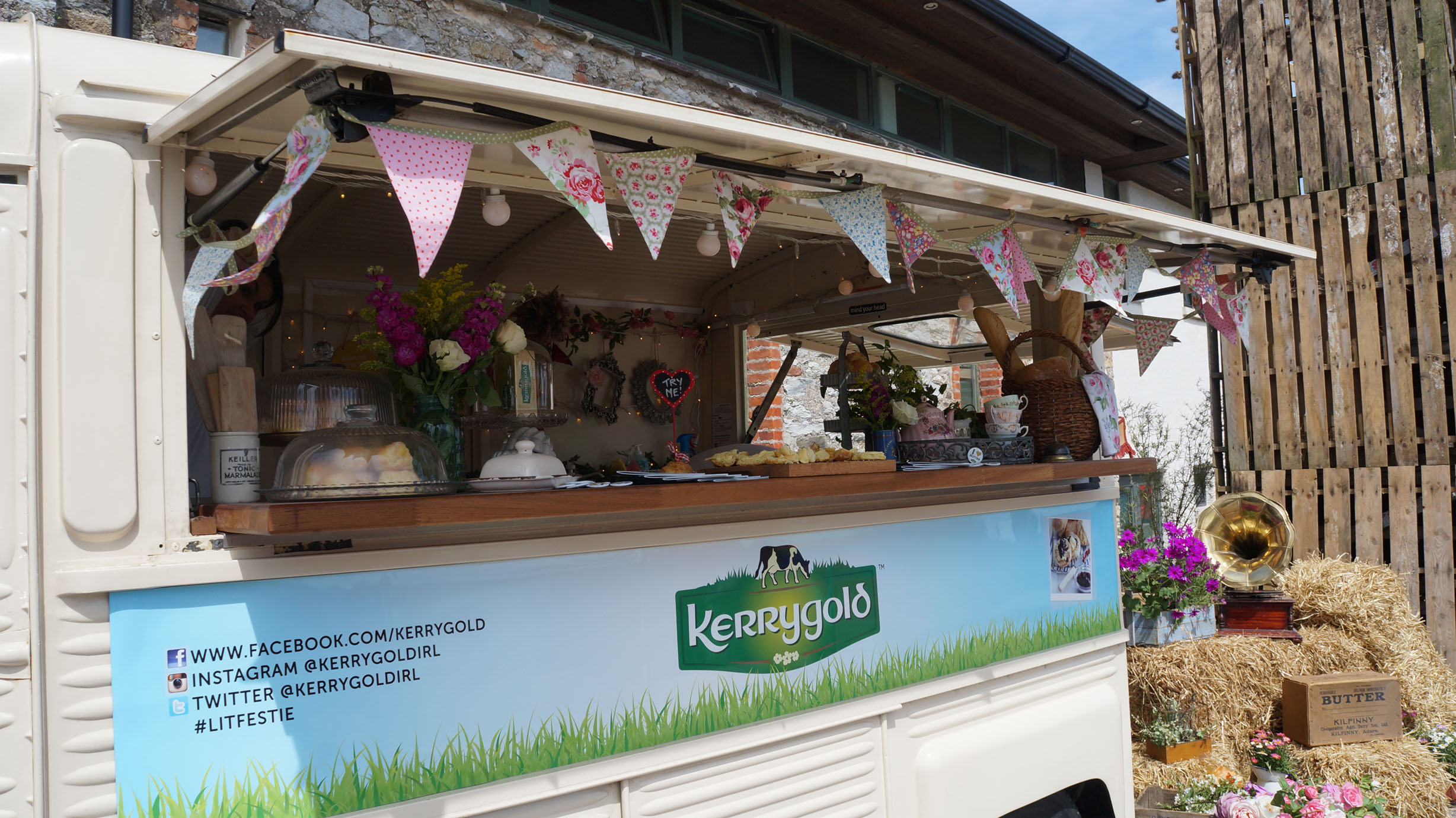
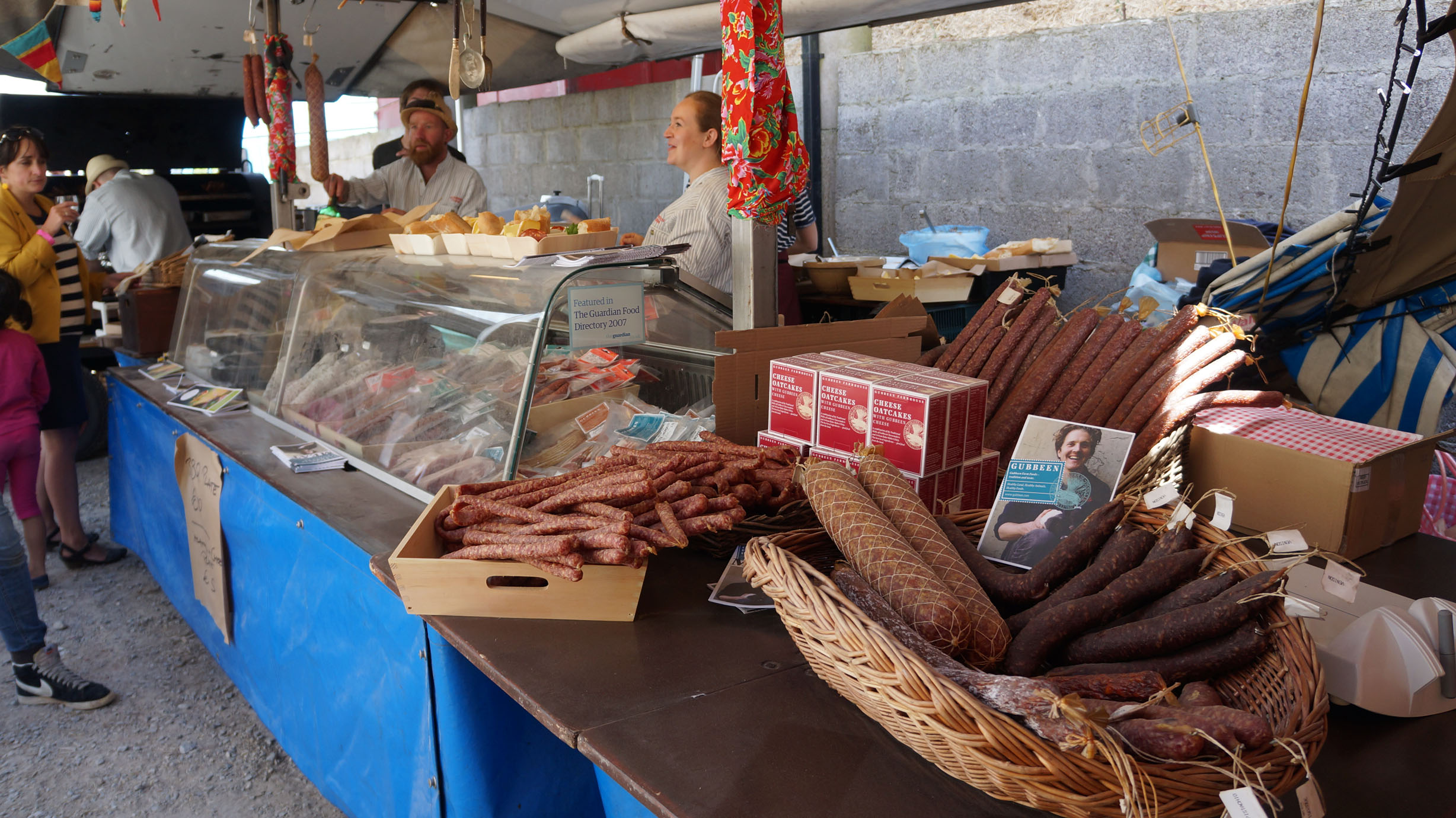
Well, what a crazy few weeks leading up to what was to be the most inspiring collection of food writers, chefs, filmmakers and food lovers! Besides all the amazing workshops, discussions and cooking demos, there was plenty to do at The Big Shed. Over the past few weeks I have researched, read and cooked from 10 of the guest speakers at this year's Litfest. As they walked through the Ballymaloe grounds, it was surreal having them go from computer screen / cookbook to right there in front of me. It was an incredible pleasure to watch these amazing people share their stories and passion about cooking food from scratch and from their hearts.
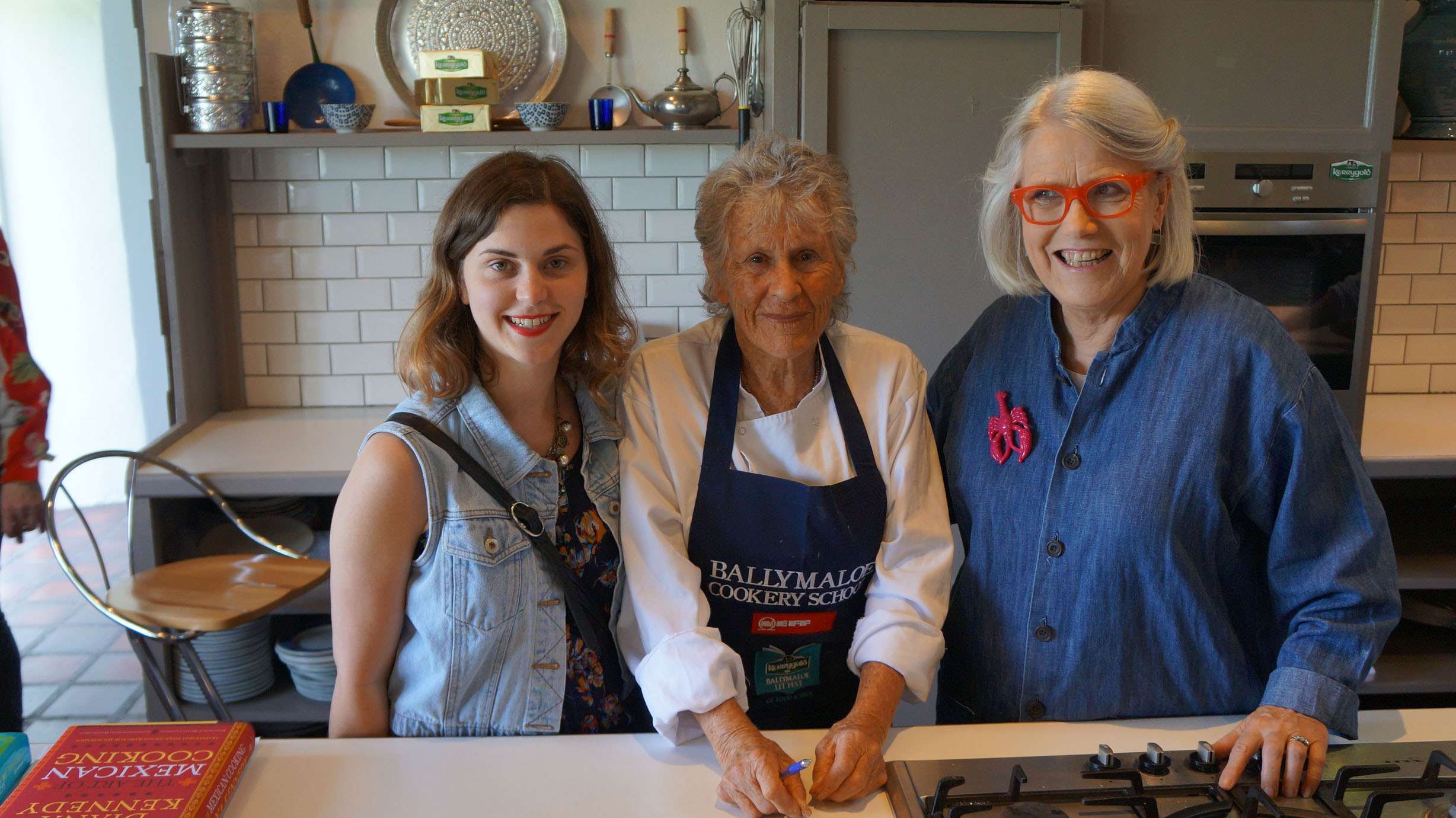
Diana Kennedy and Darina Allen

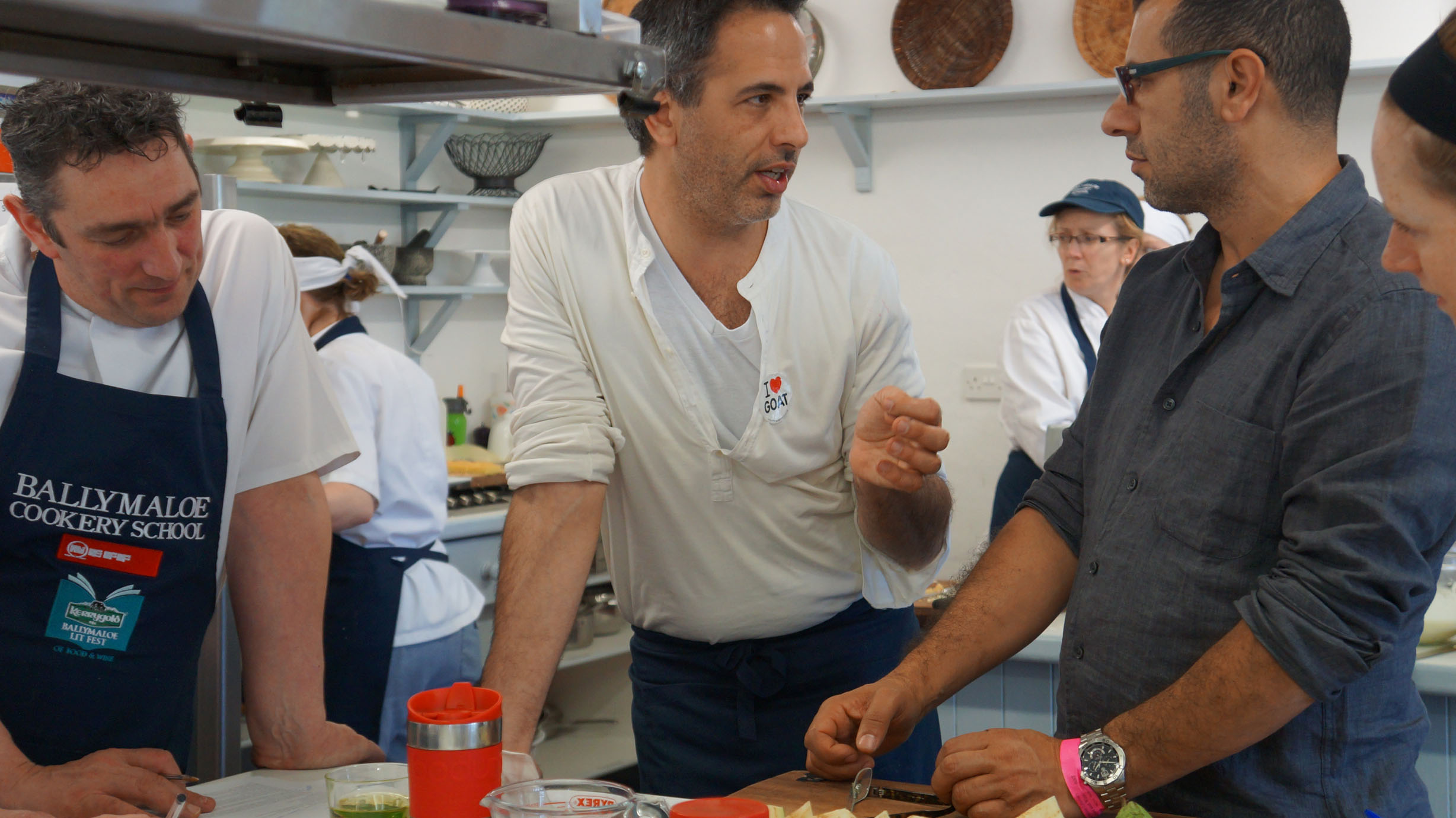
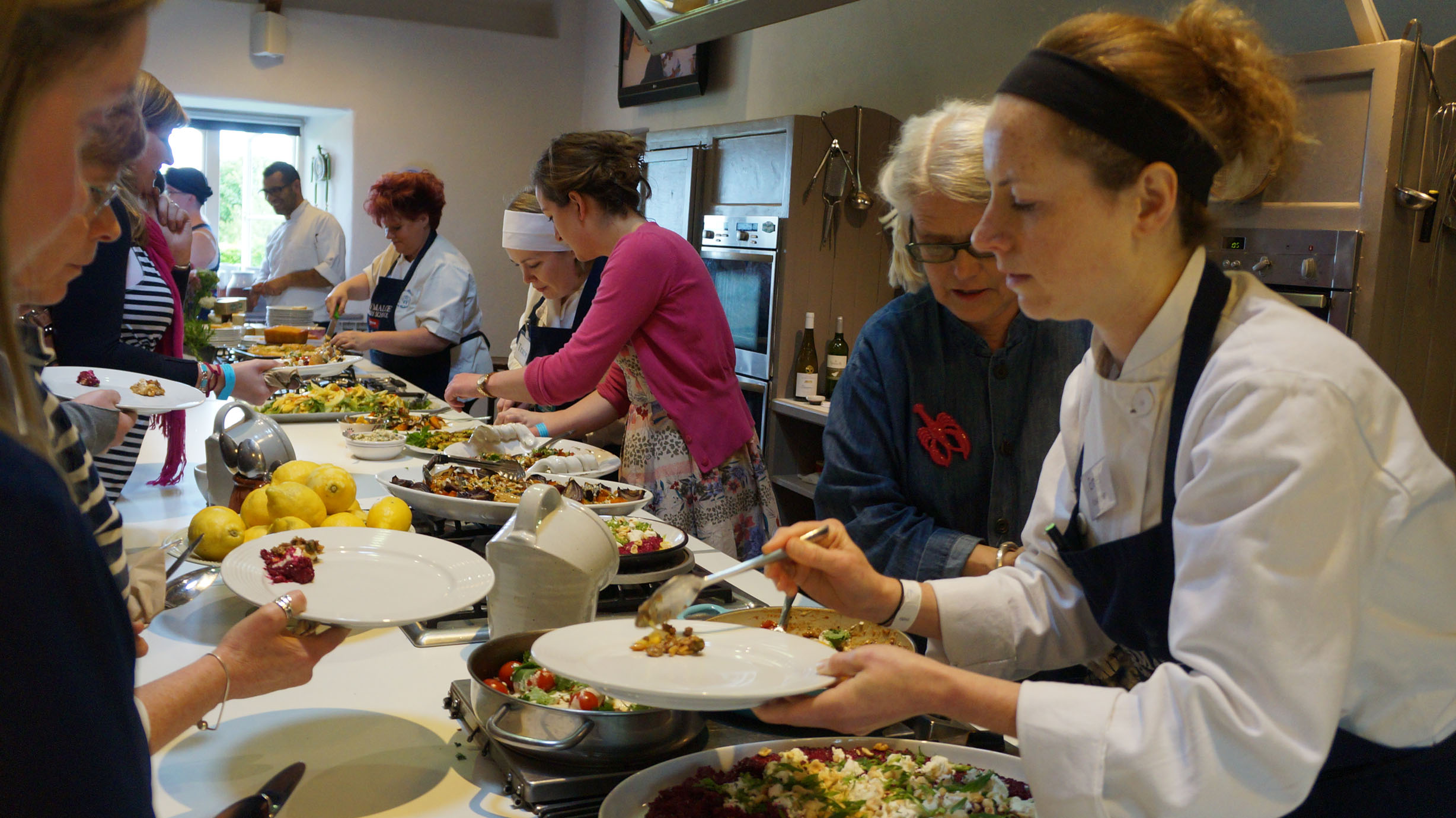
Yotam Ottolenghi & Sami Tamimi working with the Ballymaloe Cookery School staff on their once-in-a-blue-moon pop-up dinner.

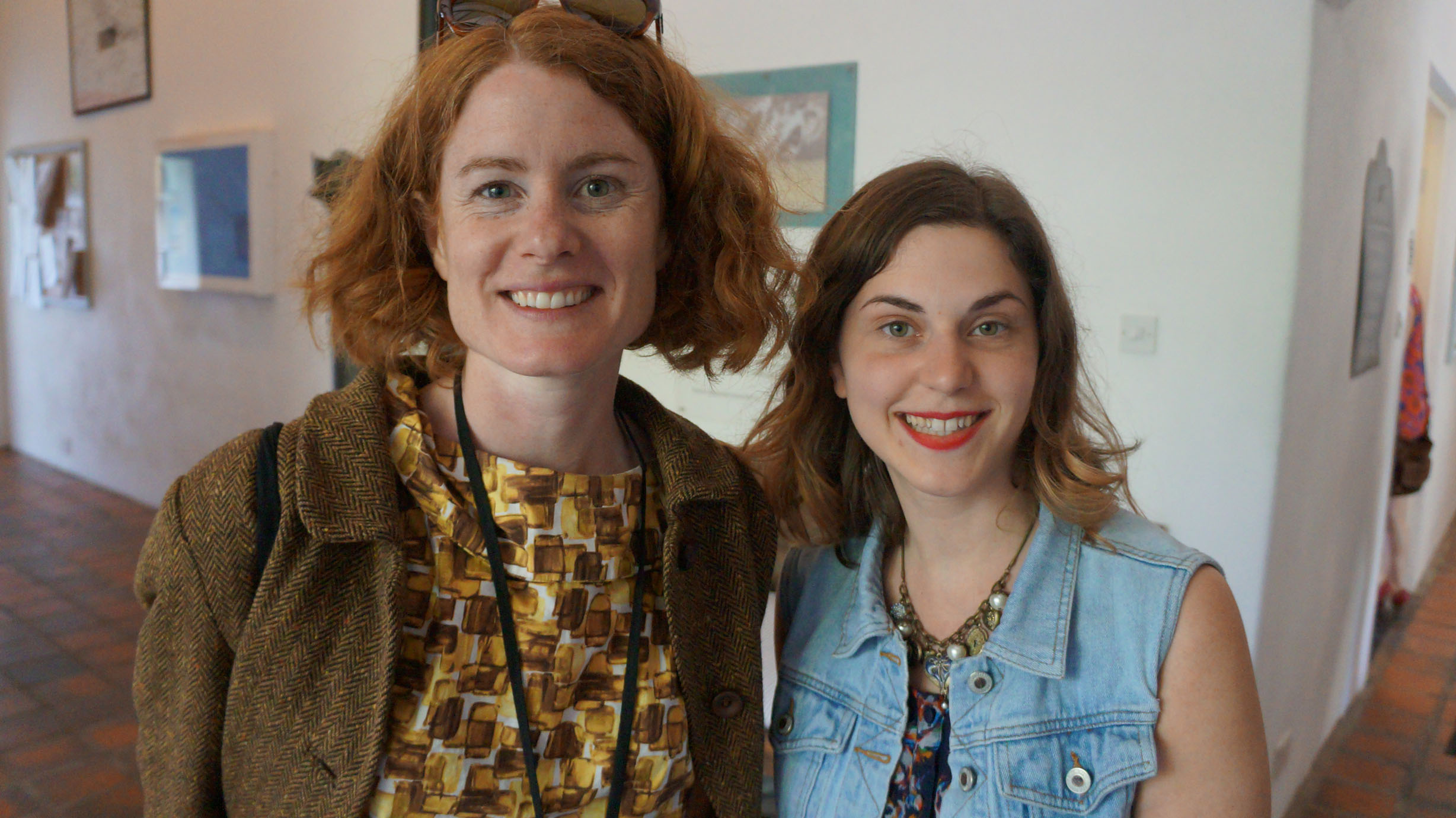
Donal Skehan and I after his talk on Food Blogging.

The 'U2' of Litfest: Sami and Yotom's incredibly, gorgeous, delicious and fresh cookery demonstration. I asked them whether it was worthwhile to make tahini from scratch. They said no, your kitchen will smell horrible and it's best to buy it Iranian-made.

Sandor Katz helping me say hi to a friend who absolutely adores him.
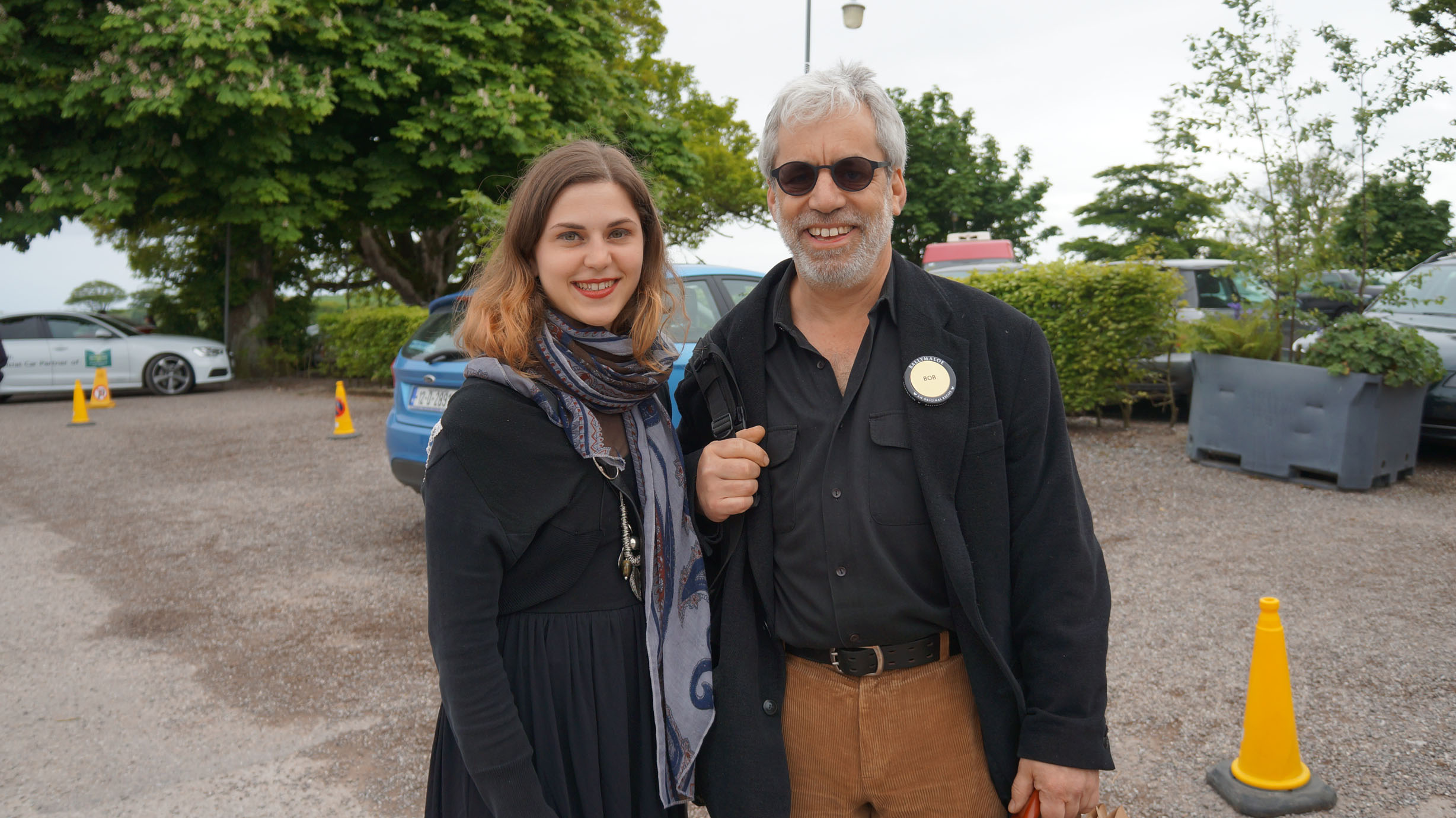
David Tanis

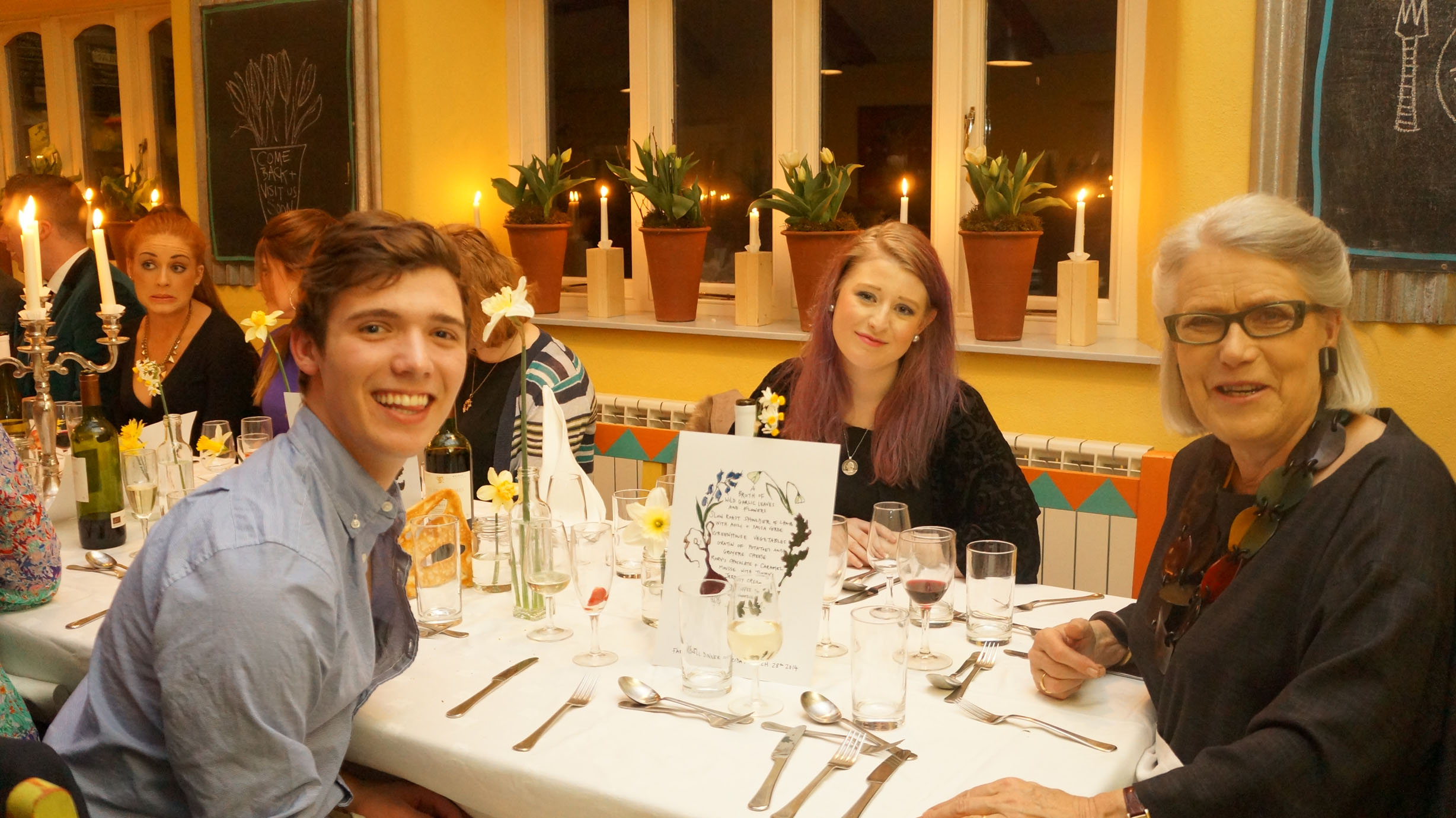
Thank you to everyone at Ballymaloe Cookery School for taking me under their wing and letting me help out on this amazing festival. Hope to see you all at the fest in 2015!

Susan Boyle's A Wine Goose Chase theatrical history of wine in Ireland.

DSC02312-1024x575.jpg

Food blogging.

Alys Fowler - fellow bee lover / author / forager

Food is fundamental

DSC02370-1024x575.jpg

Closing remarks

DSC02360-575x1024.jpg

Ballymaloe Week 12 / The final goodbye.

Phew! What a whirlwind. I can't even begin to explain how stressful this week was. My practical exam consisted of the following three course menu:

A Mother's Day Brunch

Deep Fried Oysters with Wild Garlic Aioli & Radish Crudite
Bacon and Poached Egg Caesar Salad with Pickled Beets on Garlic Bruscetta
Rhubarb & Ginger Bakewell Tart with Softly Whipped Cream

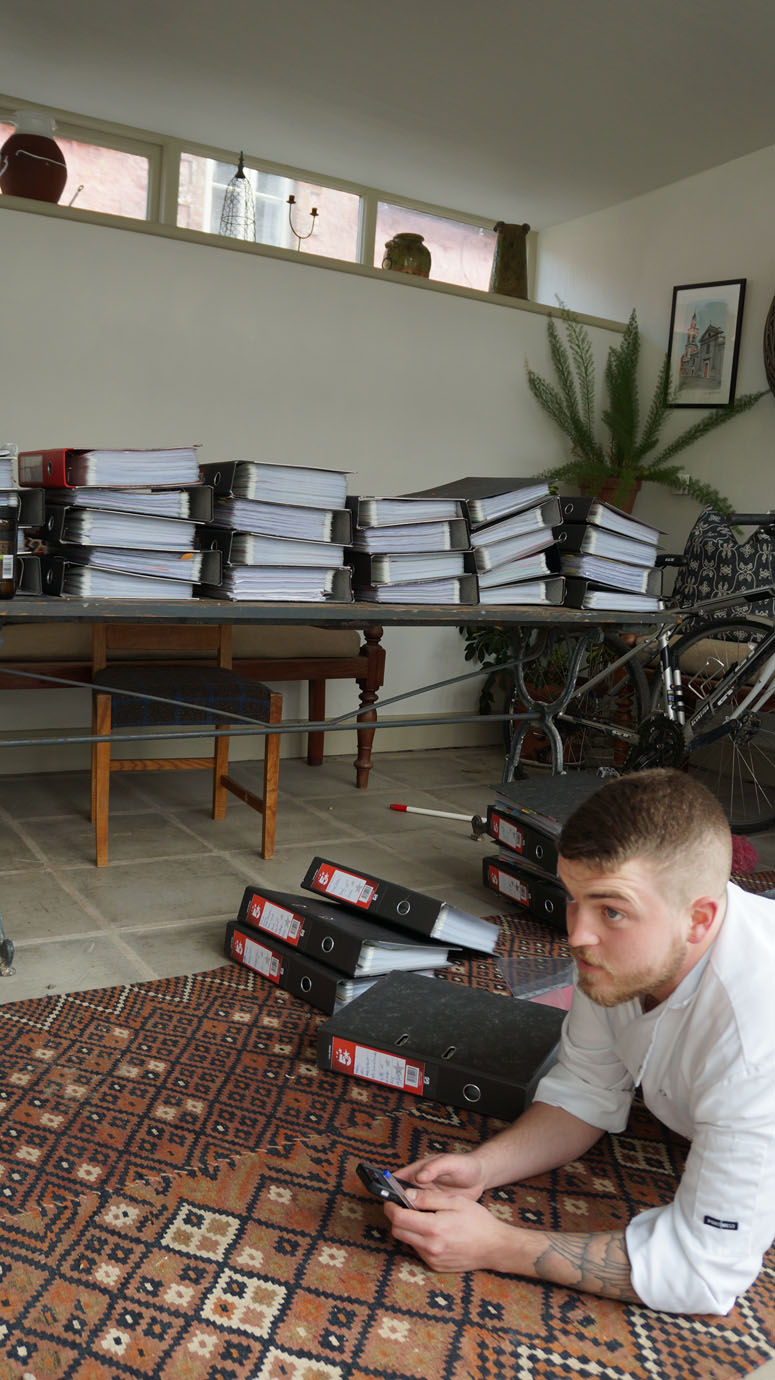
All our binders of recipes collected throughout the term on display to be checked at how well we organized them.

Of course the stress wasn't just because of the practical exam (of which I chose oysters.. 12 of them.. and I didn't realize how long it took me to shuck them), it wasn't just because of the set of 3 exams during the Friday, I also decided to extend my visa to stay in Ireland another 5 weeks and had to absorb the emotional turmoil that plagued my indecisive self.

On the one hand, I knew that if I stayed I would get the benefit of attending a 2 week Business of Food course and more time to delve into the aspects of the food scene I didn't get to while on the course. Would I also sacrifice my relationship to stay longer? How would it affect my connections in Canada.. Did I even have money for this!? etc.
I had to wait until I finished writing the exam before I could quickly run out, catch a ride with my friend Eric from the course and get a lift to the closest down, Midleton so that I could beg the Immigration Officer to let me stay.

He did.

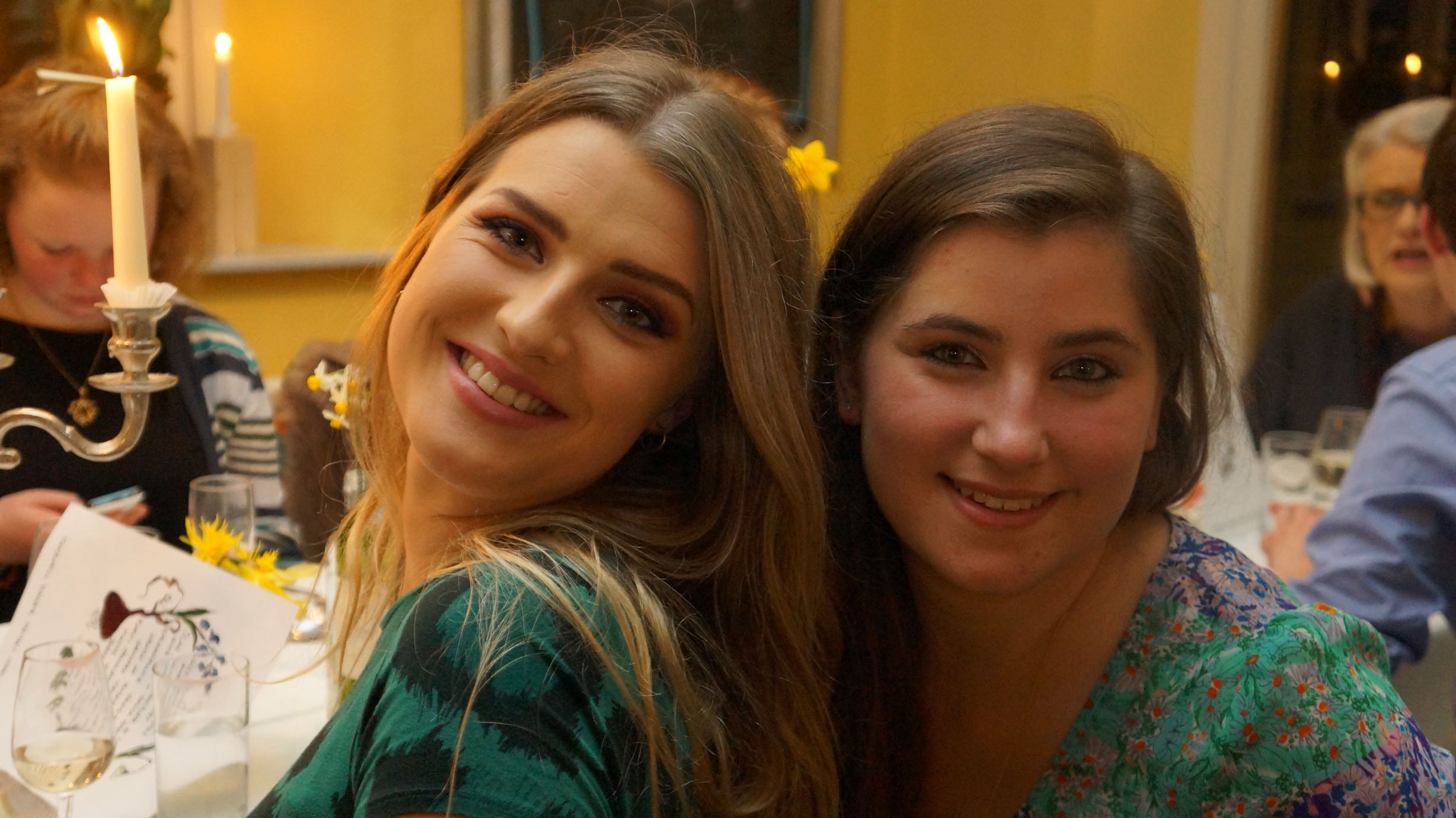
I quickly took a taxi back to the school, got dressed for our 'goodbye' party and the rest was history. 12 weeks of hard work and play.

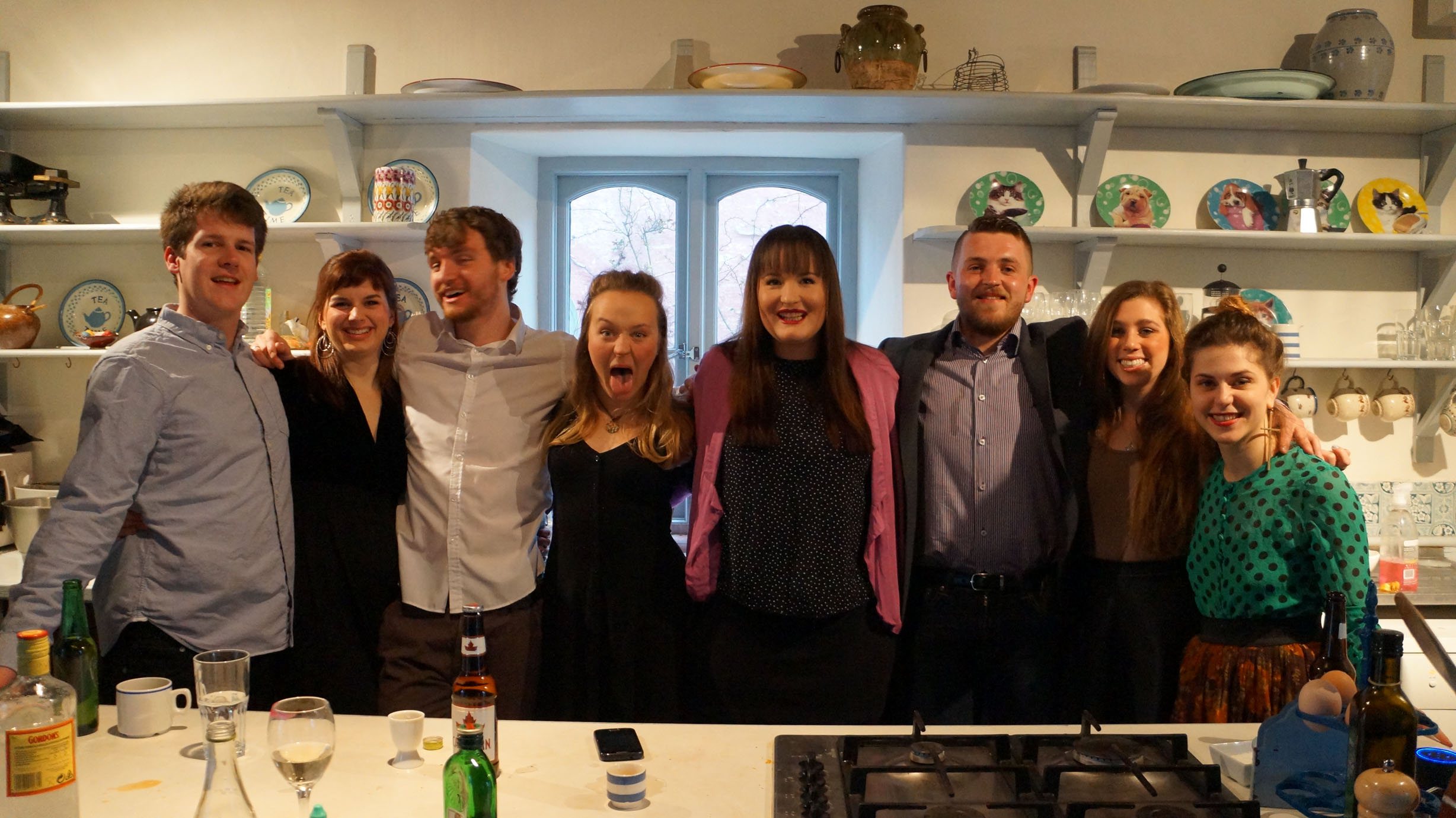
Housemates for 3 months <3 #CoachHouse

Goodbye Ireland.

You've been so good to me the past 5 months. Somehow I've become more feisty and ambitious as well as open-hearted and generous. I've learned to laugh at my mistakes, not be ashamed dreaming big and met true mentors whom I can also call friends. All I can hope is to do you proud and help create a world where truly caring about food from soil to seed to the stove is no longer seen as elitist but a fundamental human right that can help heal and free human kind.

I'll miss you.

Ballymaloe Week 11 / Why Ireland?

Seared tuna
Seared tuna

When I had made the decision to come to Ireland for the Ballymaloe 12 week course, I had some people raise their eyebrows at me. To be honest, I had not much of a response other than 'It's the only cooking school in the world on its own organic farm". Of course, people only thought I would be preparing shepherd's pie and loads of potato dishes.

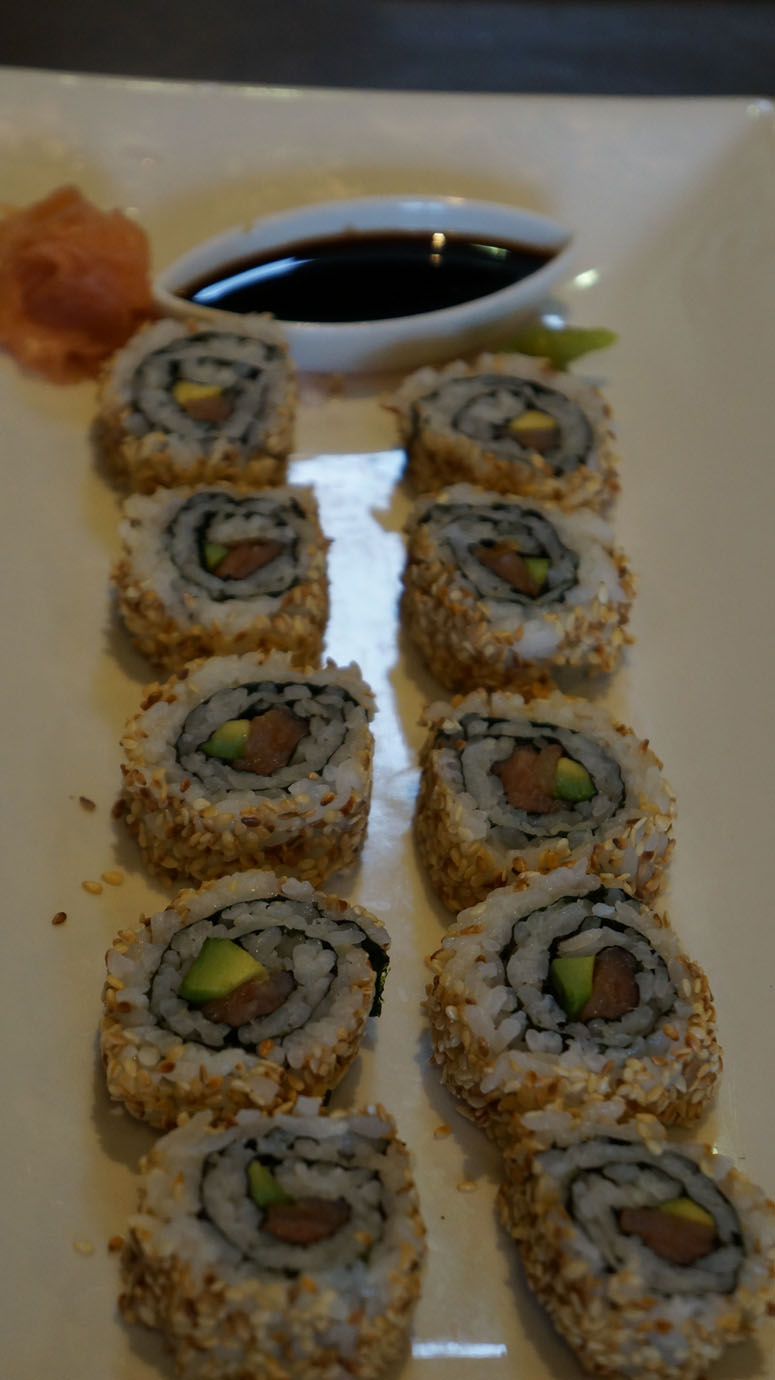
Sushi
Sushi

I did learn about properly roasting, mashing and peeling potatoes.. about 28 recipes dedicated to this versatile vegetable. But, as you can see from the sushi photos, this place is a cultural hub for all things food. I'll let this quote by Darina Allen herself carry my sentiments of Ireland's food culture..

"In the last few years the food scene has seen an acceleration in its influence as a culture maker. It has ‘trendy’ elements to it, what with its focus on foraging, DIY culture, and the rise of food photography, but it’s become apparent that naysayers would be wrong to dismiss the country’s newfound interest and dedication to food as a fad. With its focus on green economy, self-sufficiency, a deeper understanding of the food production systems, and on education, food has become the main portal to politics for a generation generally accused of apathy."

Below is a beautiful video featuring Rachel Allen speaking about Irish food on the world scene.

Of course, this is happening all over the world but Ireland has the advantage of a temperate climate surrounded by the sea.  Not only that but after the recession, Ireland focused its artisnal farming culture to become world-class. There are several food tours of the country, awards that are given out to promote great food. On top of that there is rich farmland and hardworking farmers to produce it all.

My home for 5 months.
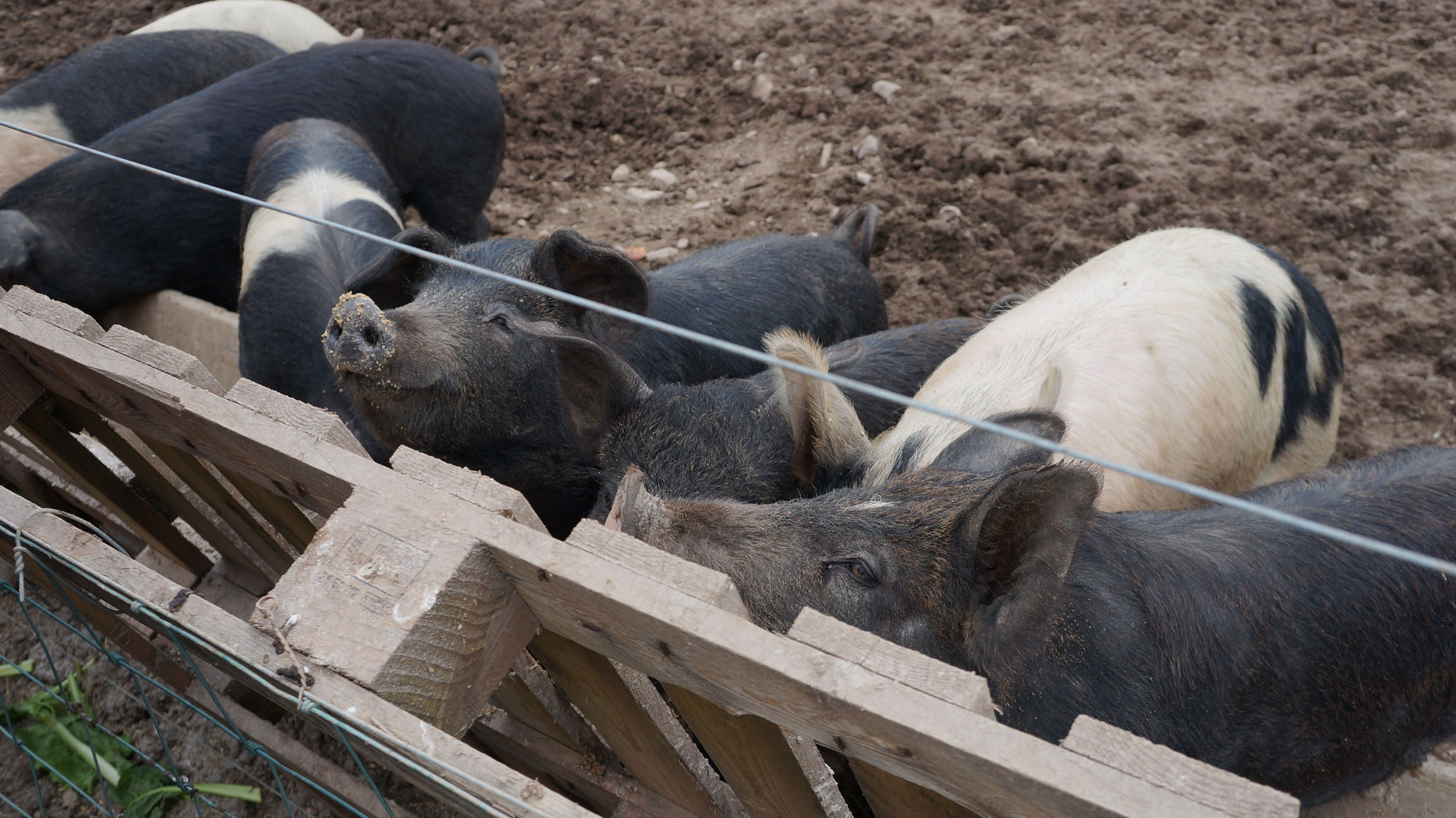
Pigs at Ballymaloe
Pigs at Ballymaloe

My first impression from the country was how generous and open they are. This peaceful nation has come out of hard times from the famine and recession but Ballymaloe is a lovely symbol of resilience and how a dedication to self-sustaining practices and good food can enrich ones life no matter how poor you may feel.

Champaign Oysters
Champaign Oysters
Poached Whole Salmon
Carpaccio
Carpaccio
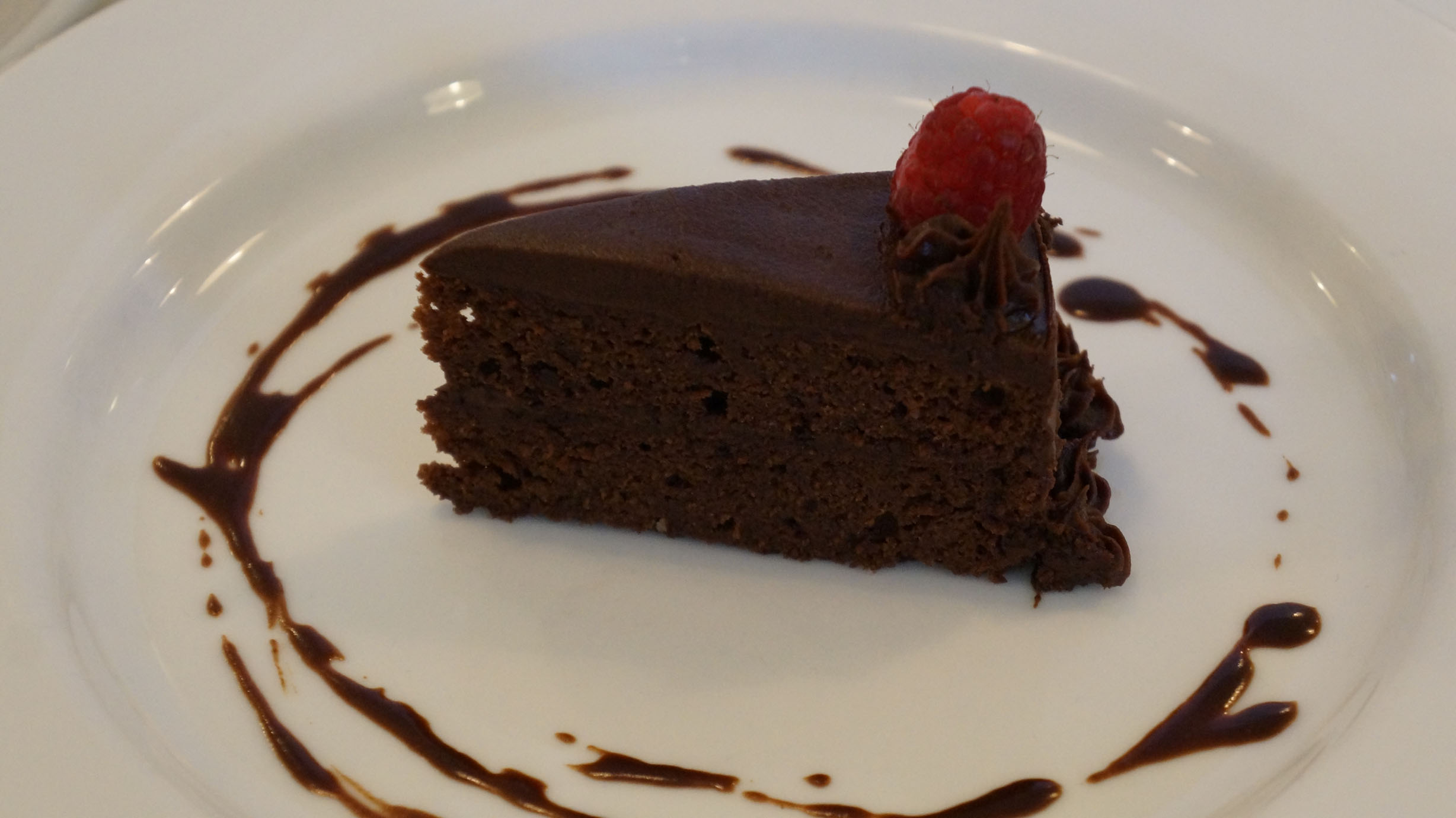
My favourite recipe I cooked on my last day of class. French Chocolate Cake.
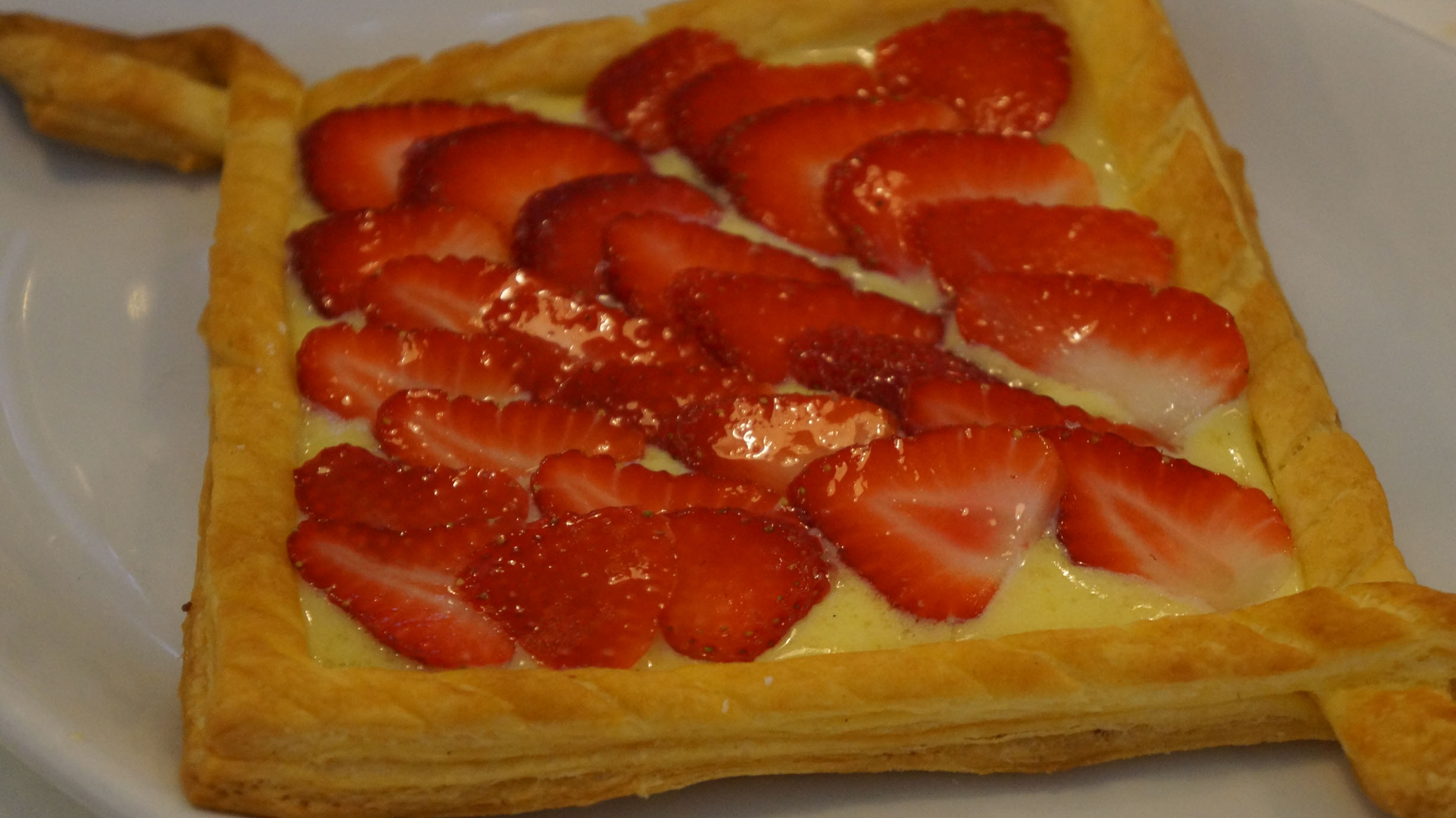
My obsession with puff pastry will never leave.

Now, it's time to study for the last week of exams!! Some people don't feel so happy about the work ahead..

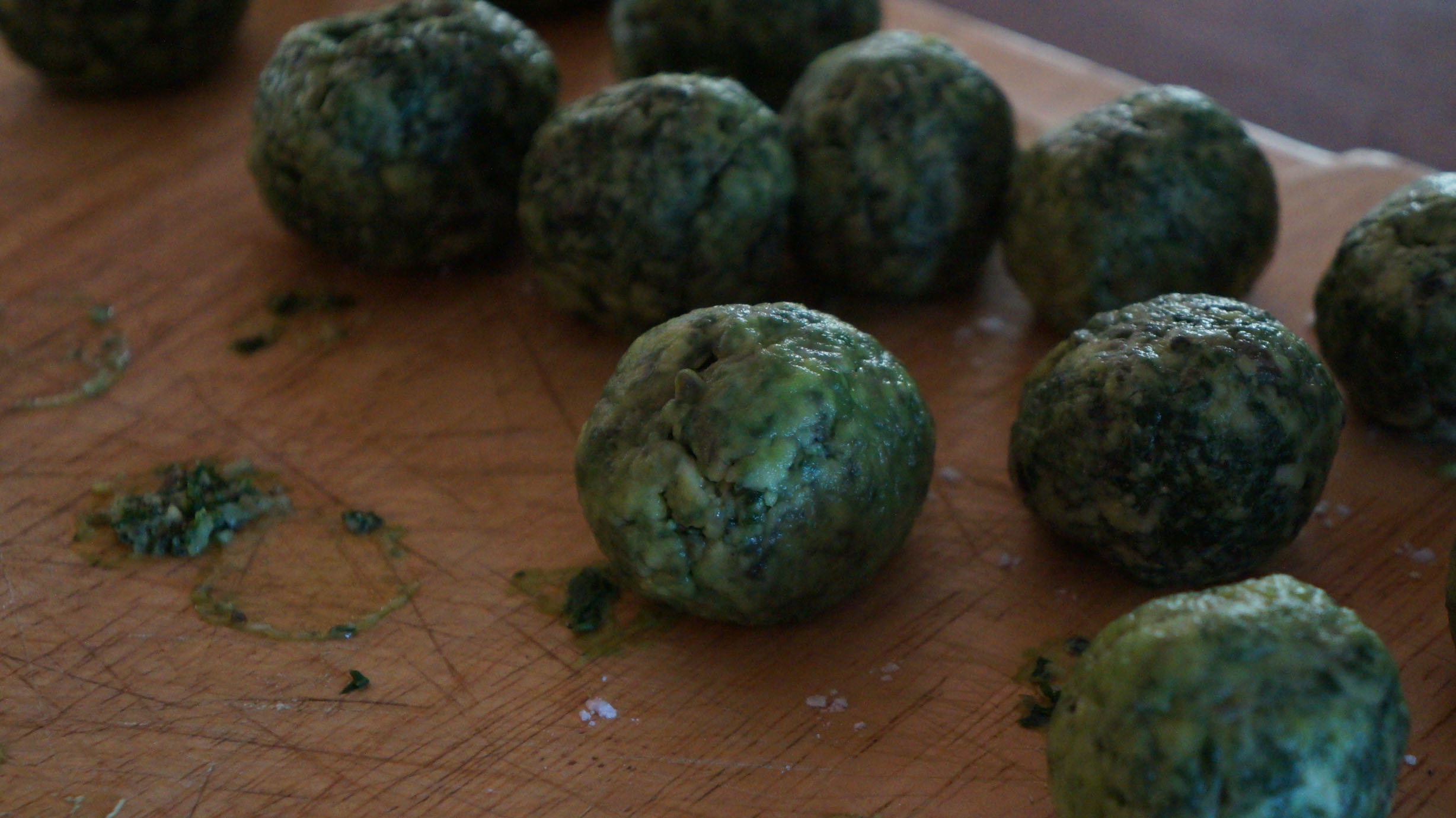
Tripes a la Lyonnaise & Spinach Dumplings

Simon Hopkinson is a food renegade and has dedicated his life to searching out the best recipes – I can get into that! There is a refined approach to the recipes selected for Roast Chicken and Other Stories. They are sorted using basic ingredients and are lovingly crafted. In the introduction of the cookbook, Hopkinson expresses the learning curve he needed to go through in order to write recipes in a precise manner.

“I have written this book, not because I am a chef, but because I like to cook and I enjoy eating good food... [I am] not good at writing recipes on a regular basis... I have to learn to do that, and it has been interesting and beneficial to be so restricted.”

“Deep down in the mind of a good cook are endless recipes. It is a matter of knowing what goes with what; knowing when to stop and where to start, and with what ingredients.”

I have a strong desire to teach people how to cook intuitively – so I can see where Hopkinson is coming from! He balances the restriction he feels in writing recipes by making each chapter of this cookbook a general introduction to one of his favourite ingredients in so far as to say what the ideal way of cooking the meat is.

Below I show you two of the recipes of his that I've made from Roast Chicken and Other Stories. Be sure to check out his discussion of his work with Ballymaloe's own Rory O'Connell.

~~~~~

Tripes a la Lyonnaise
I've never made tripe before - this was a personal challenge. Yes, tripe is the edible lining of an animal's stomach. In this case, Ox tripe. The first time I ever tried it was in a Vietnamese restaurant in a Pho noodle bowl. I quite like the consistency and flavour when done right! Like most food, really...

110g / 4oz butter
900g / 2lb onions, peeled and thinly sliced
1tbsp tomato puree
700g / 1½lb cleaned ox tripe, preferably the honeycomb variety
salt and pepper
2tbsp red wine vinegar
6tbsp concentrated meat glaze
3tbsp finely chopped flat parsley

Heat the butter until pale nut-brown and add the onions. Stew gently until gooey and golden brown – this can take up to 1 hour. Add the tomato puree and continue to cook until the tomato puree has lost its bright red colour and has turned rusty. Put the tripe in a pan, cover with water, bring to the boil, drain and cut into thin strips. Turn up the heat and fry vigorously so that parts of the onion and tripe become burnished. Add the vinegar and allow it to burn off most of its harshness. Stir in the meat glaze, and let the whole stew bubble fora few moments before adding the parsley. Serve immediately, piping hot, with plain boiled potatoes.

~~~~~

Spinach Dumplings

700g / 1½ lb raw spinach
110g / 4oz ricotta
3 egg yolks
125g / 5oz Parmesan
freshly grated salt, pepper and nutmeg
plain flour
110g / 4 oz butter
20 sage leaves
1 lemon, cut into 4 wedges

Blanch the spinach briefly in fiercely boiling water, drain, and refresh in ice–cold water. Squeeze in a kitchen towel until as dry as possible.

In a food processor, purée together the spinach, ricotta, egg yolks, 3 oz Parmesan, and seasoning. Spread out in a shallow tray, cover with plastic wrap, and allow to firm up in the fridge for a minimum of 3 hours.

Using two teaspoons, form the mixture into little balls and roll immediately in the flour.

In a large pan, bring at least 3½ pints lightly salted water to the boil, and at a gentle simmer poach the dumplings, five or six at a time, and remove with a slotted spoon after about 5 minutes when slightly swollen.

Transfer to a hot serving dish, cover, and keep warm.

Melt the butter until nut brown, throw in the sage leaves, turn until evenly coated and slightly crisp, and spoon over the dumplings together with the butter.

Sprinkle with the remaining Parmesan and serve with lemon wedges.

~~~~~

Are there any ingredients you've been too nervous to cook? Try it for yourself and share your story!

How to make Quesco Fresco and Chalupas

Diana Kennedy is widely recognized as one of the most reliable authors and educators of regional Mexican cuisine. Her book From My Mexican Kitchen is a great guide through the techniques and subtleties of making authentic Mexican food. So throw away your pre-mixed spice blend and jarred salsa and let's get cooking! Unfortunately (or fortunately if you're the adventurous type), there is no straightforward answer to what is 'authentic' in Mexican cooking. The preparation of basic ingredients can vary from region to region even based on local lore or religion. For example, the preparation of chilies can be fresh, charred or sequentially charred – peeled – soaked – blended, etc. tomatoes can be peeled or unpeeled. Tamale wrappers can vary from dried or fresh corn husks to fragrant avocado leaves. Phew! Where to begin? Fortunately, Kennedy will be joining us at this year's LitFest to discuss such a topic!

One of my favourite ingredients from Central America is Queso Fresco so I had to use the opportunity of being on a dairy farm at Ballymaloe Cookery School to try and make it from scratch. I had already made cheese during the 12 week course (that took 12 weeks to ripen, too!) so making this fresh-tasting, mozzarella-like quick cheese was a walk in the park.

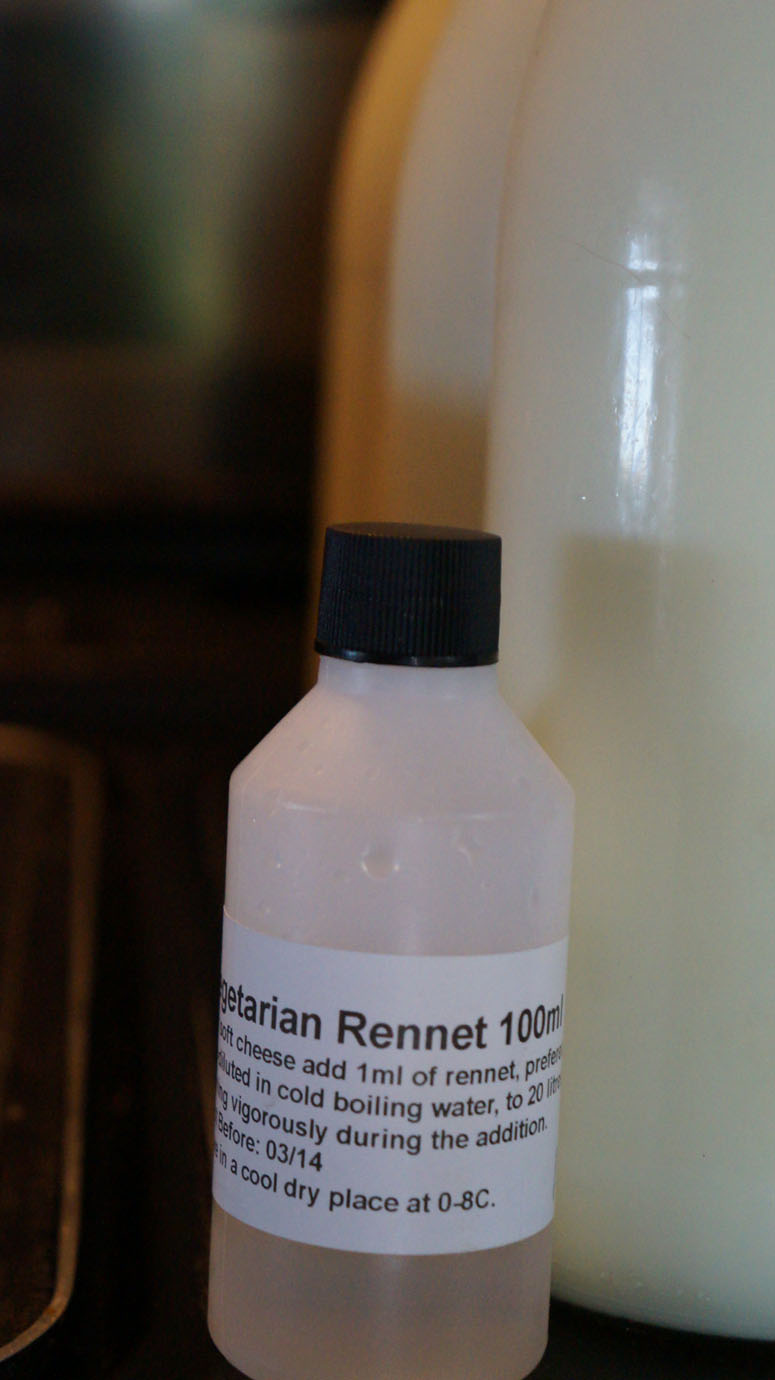
Adding rennet to coagulate 4L raw cows milk.

Let sit for 1hr.

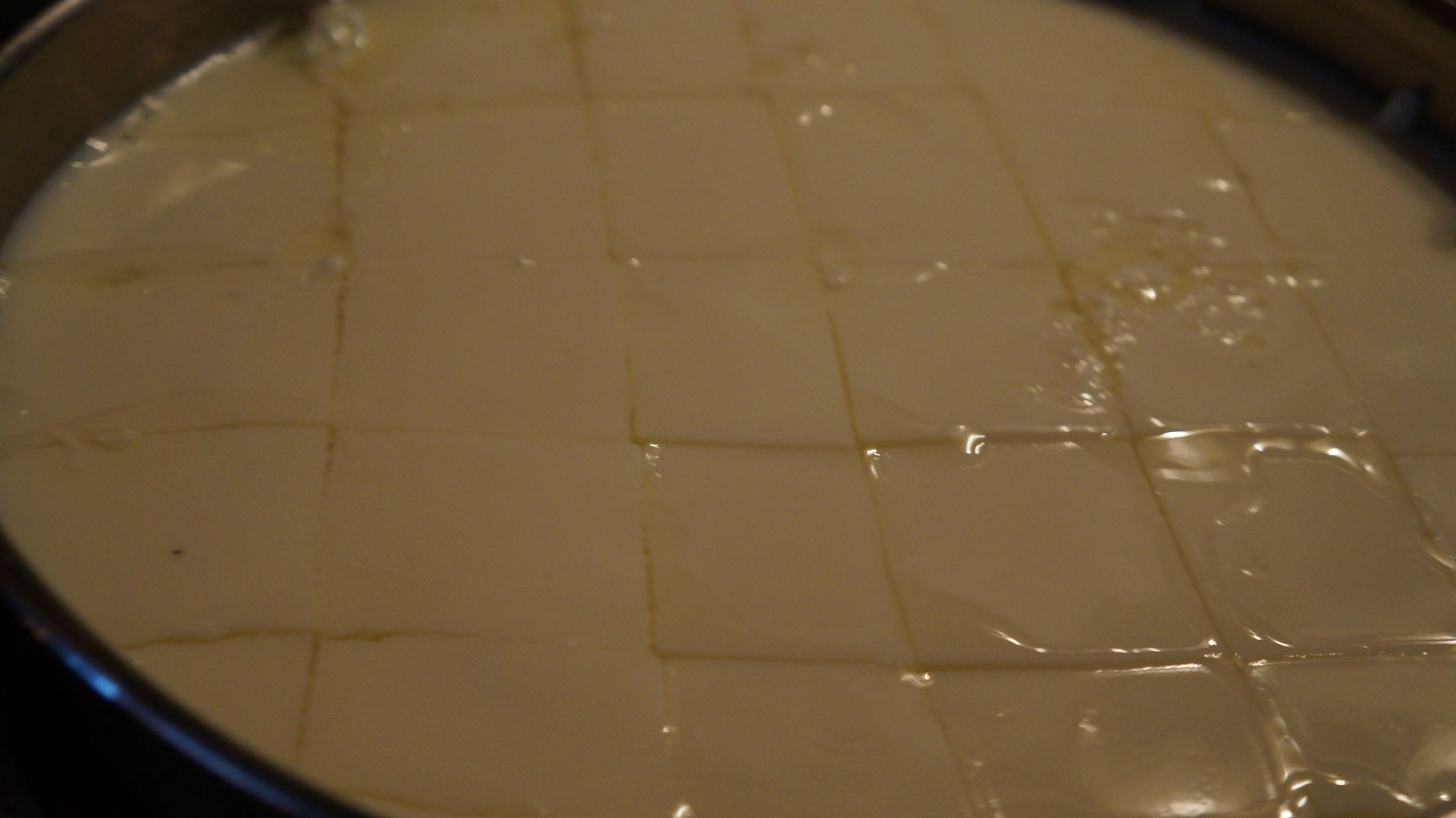
Cutting 1" cubes and letting the whey escape for 2 hours.

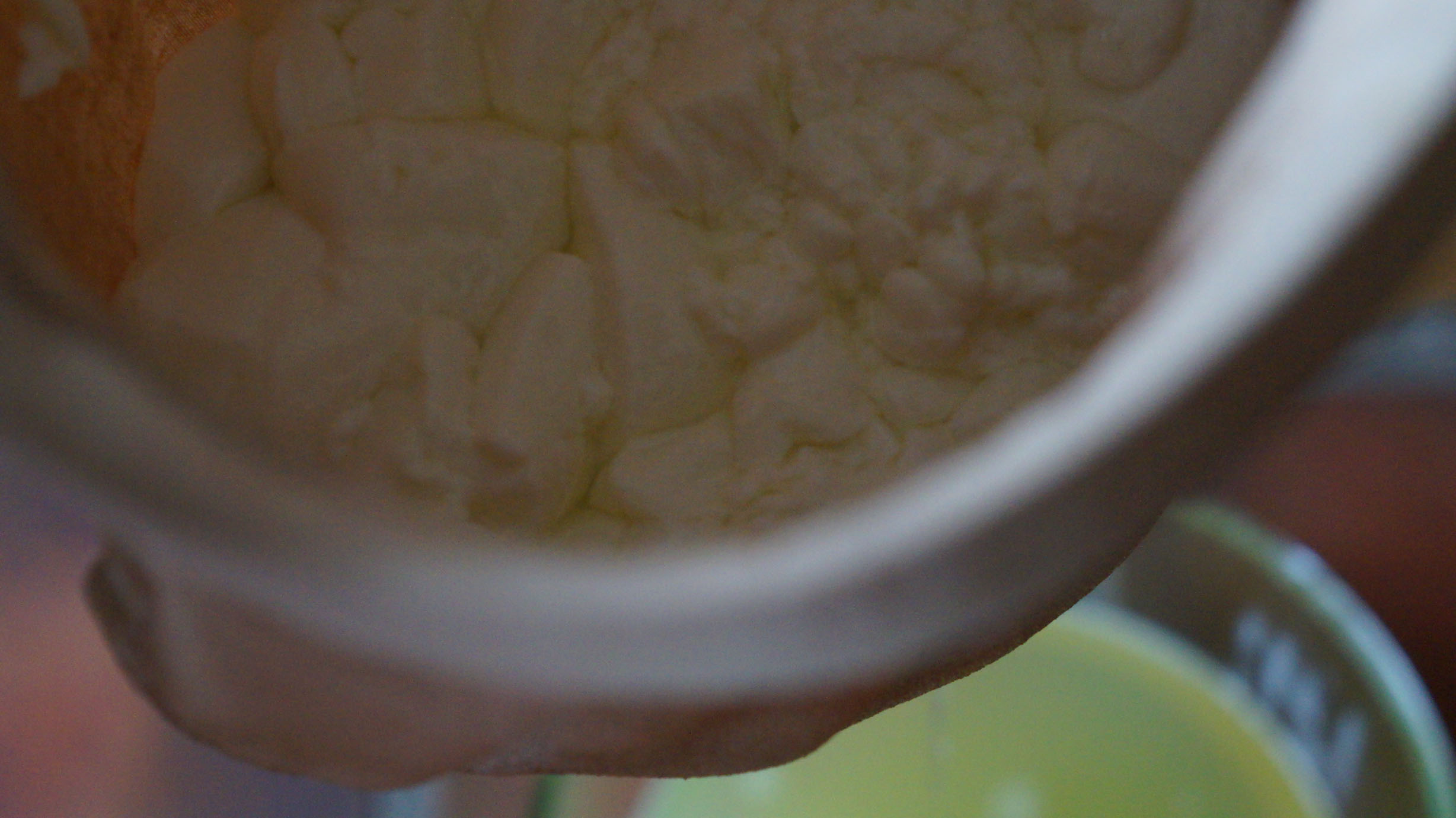
After 2 hours.

Letting curds drain through a cheese cloth overnight.

Drained curd the next day.

Crumbling the curd.

Mixing crumbled curd with 2tsp salt.

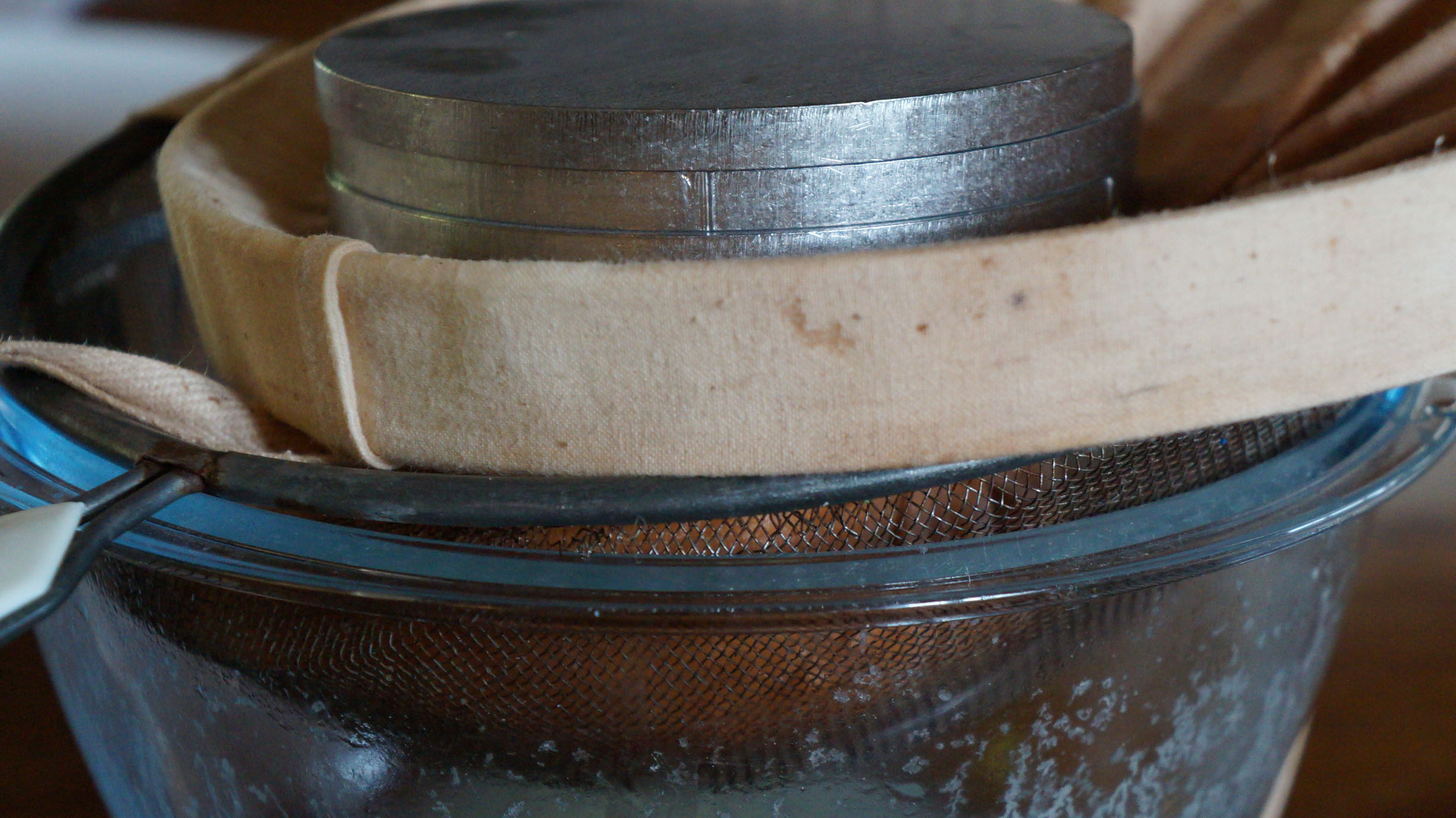
Pressing the crumbled curd & salt in my makeshift cheese mold!

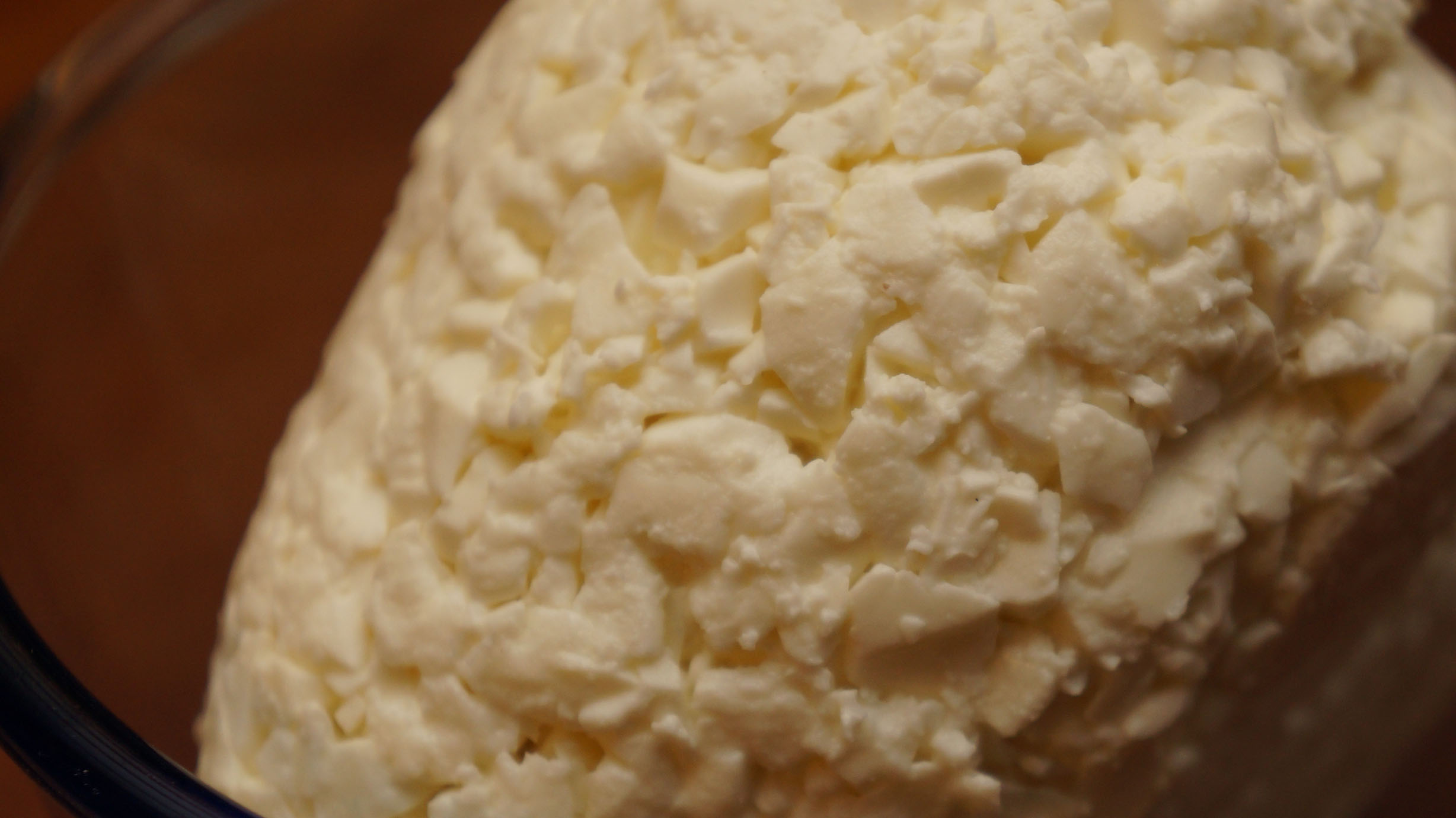
The final product!

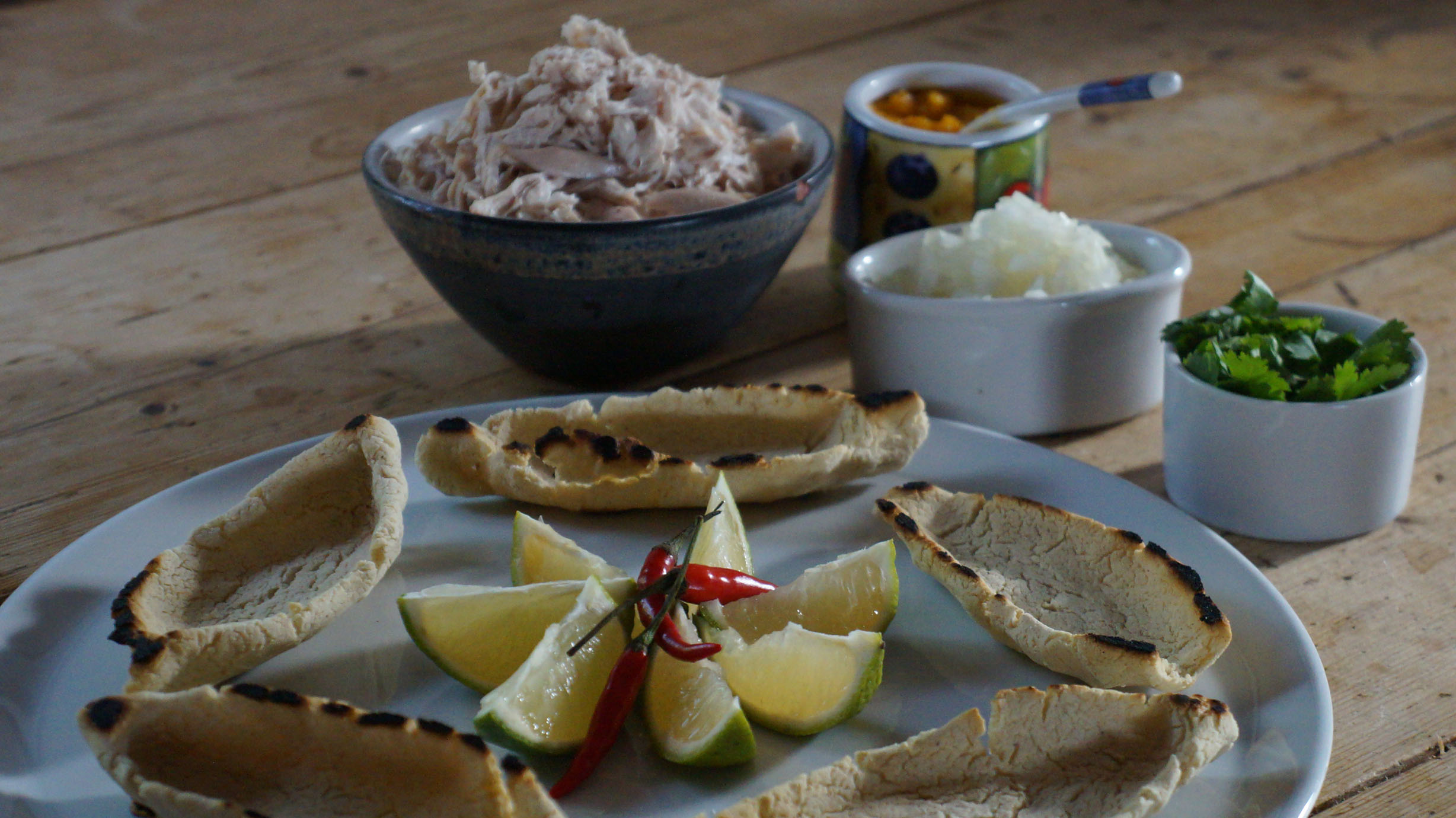
You may be familiar with other tortilla-based mexican dishes such as quesadillas, enchiladas, etc. Chalupas caught my eye in Kennedy's book because of their unique shape.

Diana Kennedy explains, “probably named for the little canoelike boats that were used in the narrow water-ways... not far from Mexico City. In fact, they are either flat and oval or canoe shaped and often filled with shredded chicken and seasoned with a green sauce, topped with onion and crumbled queso fresco”

~~~~~

Chalupas

10 oz, 1 heaped cup Tortilla Masa
Melted lard or vegetable oil, for reheating

Topping

375ml, 1½ cups loosely packed, cooked and shredded chicken
188ml, ¾ cup salsa verde *I used Thomasina Miers' salsa since tomatillos weren't in season yet... 83ml, 1/3 cup finely chopped white onion
83ml, 1/3 cup crumbled quesco fresco

Work the masa well until it is soft and smooth and divide into twelve equal parts. Roll each part into a ball about 1¼ inches (3.13cm) in diameter and cover with a damp cloth.

Warm a lightly greased comal over medium heat. Roll a ball of the masa into a cylinder about 3 inches (7.5cm) in length, and with your index finger (as shown), press down to form a hollow in the center of the masa and tapering at the end like a small canoe. Place on the warmed comal bottom down (I used a cast-iron pan) and cook until the masa is opaque and slightly speckled with brown, about 4minutes. Turn the chalupa over and cook on the hollowed side for a further 4 minutes, or until the dough is cooked but oft inside with a slightly crusty surface.

Fill and dress the chalupas; as you will need half the quantities given in the list above.

Note: Like all masa antojitos these are eaten the moment they are cooked but this may not be practical. So make them ahead of time and keep them covered-untilled-with a damp cloth. Reheat gently in the melted lard or oil and then fill and serve. I do not recommend freezing (although some people do it) because it tends to toughen the masa or it disintegrates when defrosted.